How to Spot Safe and Licensed Bitcoin Casinos in Canada: A 2026 Player's Guide to Avoiding Scams
How to Spot Safe and Licensed Bitcoin Casinos in Canada: A 2026 Player's Guide to Avoiding Scams
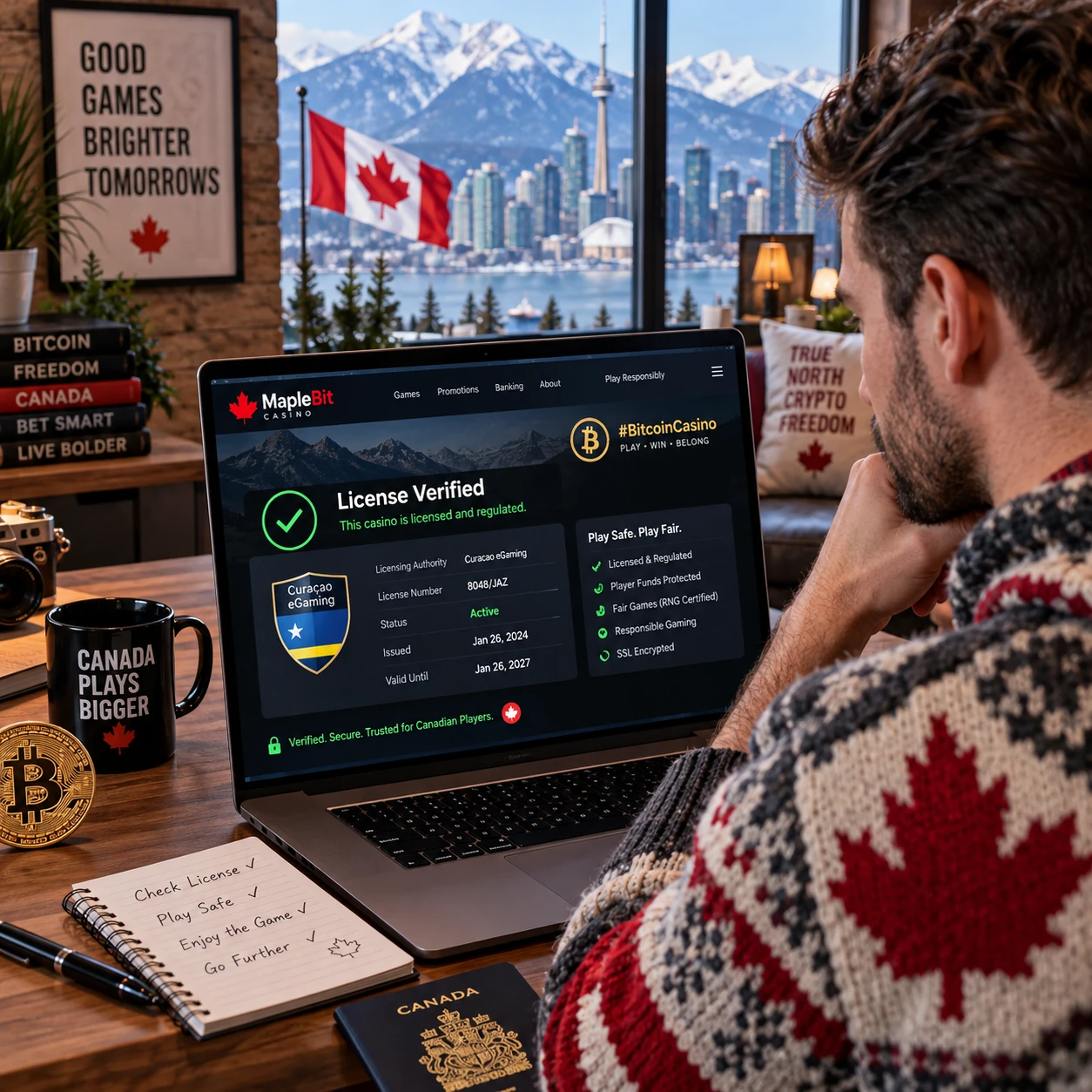
I've spent a fair amount of time over the past year digging through forums, license registries, and complaint boards trying to figure out which crypto gambling platforms actually deserve a Canadian player's trust. What I found wasn't pretty. For every legitimate operator running provably fair games and transparent payout systems, there seem to be three clones or copycat sites built purely to collect deposits and disappear. If you're thinking about playing with crypto this year, 2026 is shaping up to be the moment when doing your homework stops being optional.
Cryptocurrency gambling has exploded in popularity across Canada, and it's not hard to see why. Instant deposits, minimal fees, and a layer of privacy that traditional banking just can't match have pulled in players who were previously hesitant about online gambling altogether. But that same growth has made the space a magnet for bad actors who know exactly how to dress up a scam site to look like a trustworthy brand.
Why Bitcoin Casinos Are Booming in Canada
The appeal is pretty straightforward. Crypto transactions settle faster than most bank transfers, fees are often lower, and for a lot of players, there's comfort in not having gambling transactions show up on a credit card statement. On top of that, Canada doesn't have one single federal law governing crypto gambling specifically — regulation is handled provincially, with bodies like AGCO in Ontario setting their own rules while other provinces take a more hands-off approach. That patchwork creates a gray area that legitimate operators work within carefully, but that scammers exploit without hesitation.
The Appeal of Anonymity and Speed
I get why fast, semi-anonymous transactions are attractive — nobody wants to wait three business days for a withdrawal or explain a gambling charge to their bank. But that same anonymity cuts both ways. A site that doesn't ask for identity verification might just be convenient, or it might be deliberately avoiding KYC checks because the owners have no intention of ever processing a real withdrawal. Speed should never come at the cost of knowing who you're actually sending money to.
What Makes a Bitcoin Casino 'Licensed and Safe'
A real bitcoin casino operates under an actual gaming license issued by a recognized authority — Kahnawake Gaming Commission, the Malta Gaming Authority, or Curaçao eGaming are the names you'll see most often among platforms serving Canadians. Beyond the license itself, look for transparent ownership information, provably fair game mechanics you can independently verify, and certification from third-party auditors like eCOGRA or iTech Labs. These aren't nice-to-haves; they're the baseline for any platform claiming to be legitimate.
Reading and Verifying License Numbers
Here's something I learned the hard way: never trust a license badge just because it's sitting on the homepage. Anyone can copy an image. Instead, take the actual license number and search it directly on the issuing authority's public registry. Kahnawake and Malta both maintain searchable databases. If the number doesn't match an active entry, or the registry shows a different operator name than the one on the casino's site, that's your answer right there.

Red Flags That Signal a Scam Operation
There's a pattern to how fraudulent crypto casinos operate, and once you've seen it a few times, it becomes easy to spot. Watch out for:
- No visible license information, or a license number that doesn't verify on the official registry
- Bonus offers that seem too generous — think 500% match bonuses with no realistic wagering caps
- Withdrawal delays that stretch from hours into days with vague excuses
- Customer reviews that read suspiciously similar, often posted in clusters
- No KYC or AML process whatsoever, even for large withdrawals
- Customer support that reads from obvious scripts and can't answer specific questions about licensing or payout processes
If you spot several of these together, it's worth doing more digging before depositing anything. Canadian players also have access to consumer protection and anti-fraud resources that go beyond casino review sites. Organizations like the one at bitcoin casinos provide guidance on recognizing fraud patterns and reporting suspicious operators, which can be a genuinely useful second opinion when you're unsure about a platform's legitimacy before committing your funds.
How to Research a Bitcoin Casino Before Signing Up
Before I ever deposit anywhere, I run through a quick checklist. Search the operator's name alongside words like 'scam,' 'complaint,' or 'withdrawal problem' — if there's a pattern of unresolved issues, it'll usually surface quickly. Confirm the license is active and matches the registry. Read independent review sites rather than relying solely on affiliate rankings. And when possible, test the waters with a small deposit and withdrawal before committing anything meaningful.
Using Blockchain Transparency to Your Advantage
One genuine advantage crypto gambling has over traditional online casinos is the public ledger. Because blockchain transactions are recorded openly, you can sometimes trace a casino's payout history or verify that its provably fair system is doing what it claims. Traditional casinos ask you to trust their internal numbers; a well-built crypto platform lets you check the math yourself.
Best Practices for Safe Crypto Gambling in Canada
A few habits go a long way toward protecting yourself. Use a dedicated wallet with only the funds you're willing to gamble, rather than linking your main holdings. Enable two-factor authentication everywhere it's offered. Set your own deposit limits before you start playing, not after a losing streak. Be suspicious of any platform pressuring you to deposit large sums quickly — legitimate operators don't need to rush you. And only hand over KYC documents to platforms you've already confirmed are properly licensed.
Common Mistakes Canadian Players Make
I've seen players chase bonus offers without reading the wagering terms, only to find their winnings locked behind impossible playthrough requirements. Others ignore withdrawal caps buried in the fine print, assuming a big win means a big payout day. Trusting 'Top 10 Bitcoin Casinos' lists without checking whether the site is independent or just an affiliate funnel is another common trap. And it's worth remembering that gambling winnings can carry tax implications under Canadian law depending on your circumstances, so it pays to understand that before you start playing seriously.
Conclusion
Crypto gambling offers real advantages — speed, lower fees, and a transparency that traditional casinos simply can't match. But none of that matters if the platform you're using isn't actually licensed or safe. Verify license numbers directly with issuing authorities, read independent reviews instead of affiliate lists, and lean on consumer protection resources when something feels off. A little skepticism before you deposit saves a lot of frustration later. Treat every new platform as unproven until it shows you otherwise.